E-commerce development
Online stores built from scratch and then run, including the parts that come after checkout.

What we build
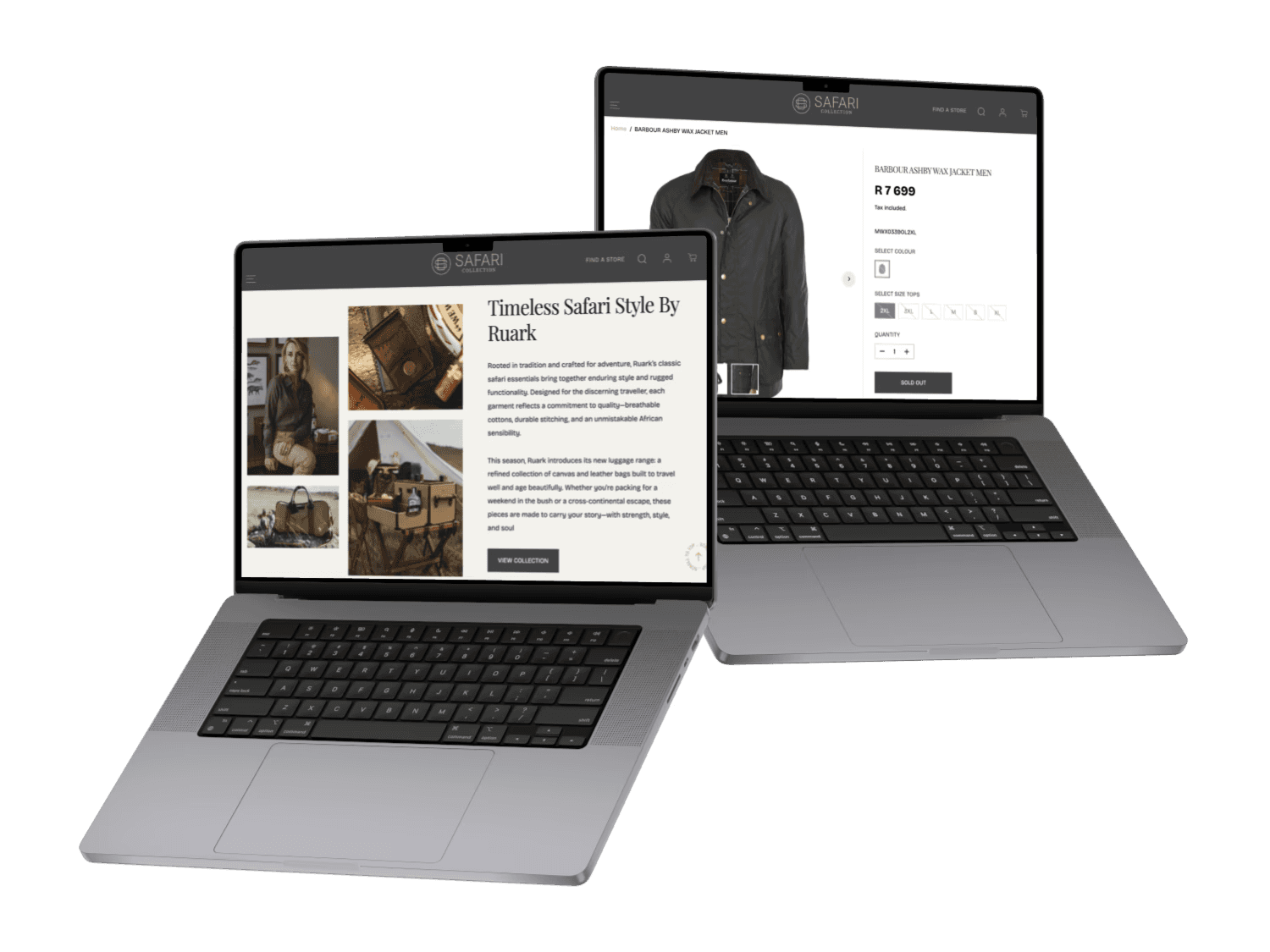
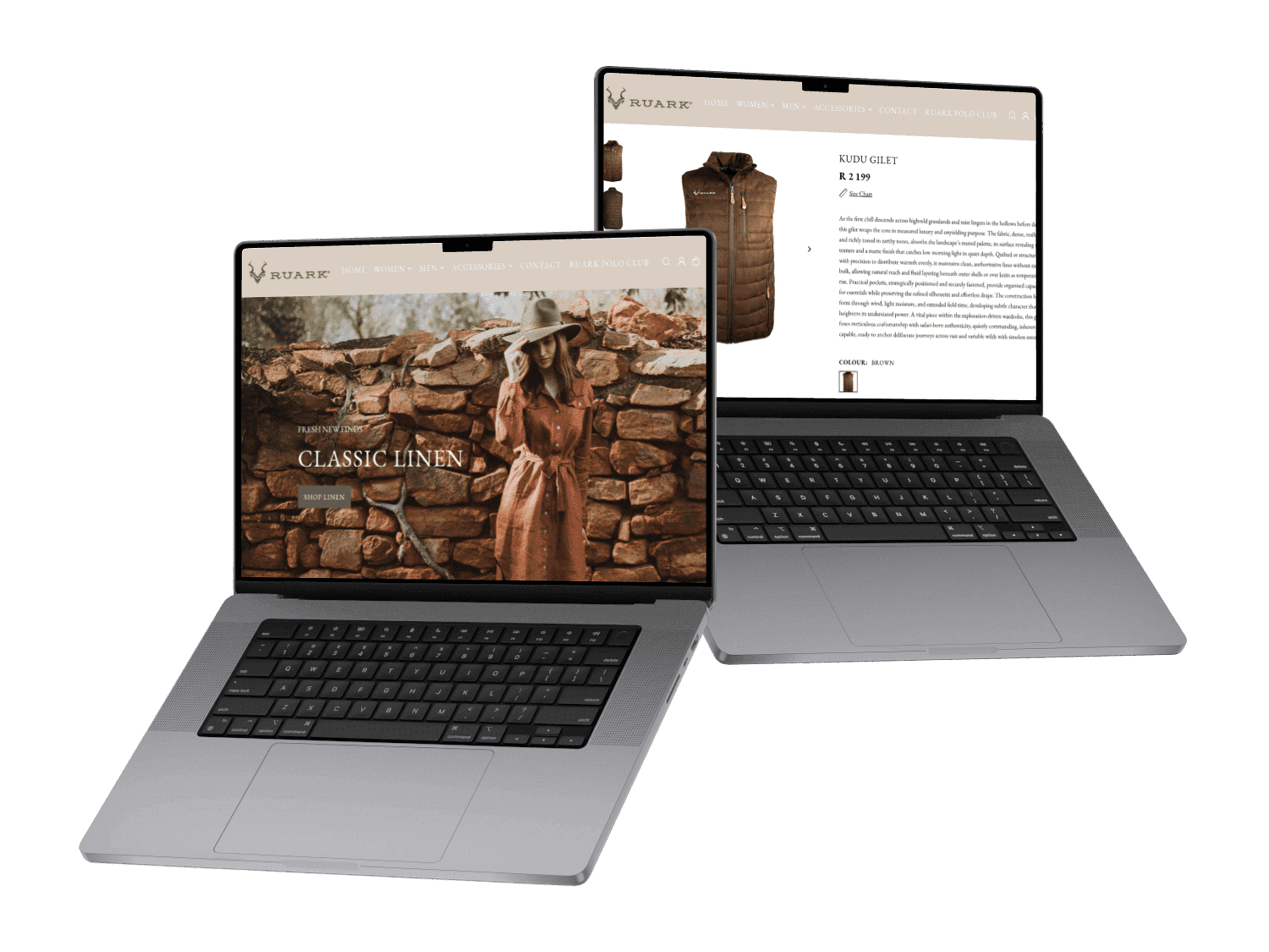
Greenfield store builds
Platform migrations
Custom functionality and apps
Inventory and fulfilment sync
Payments and checkout
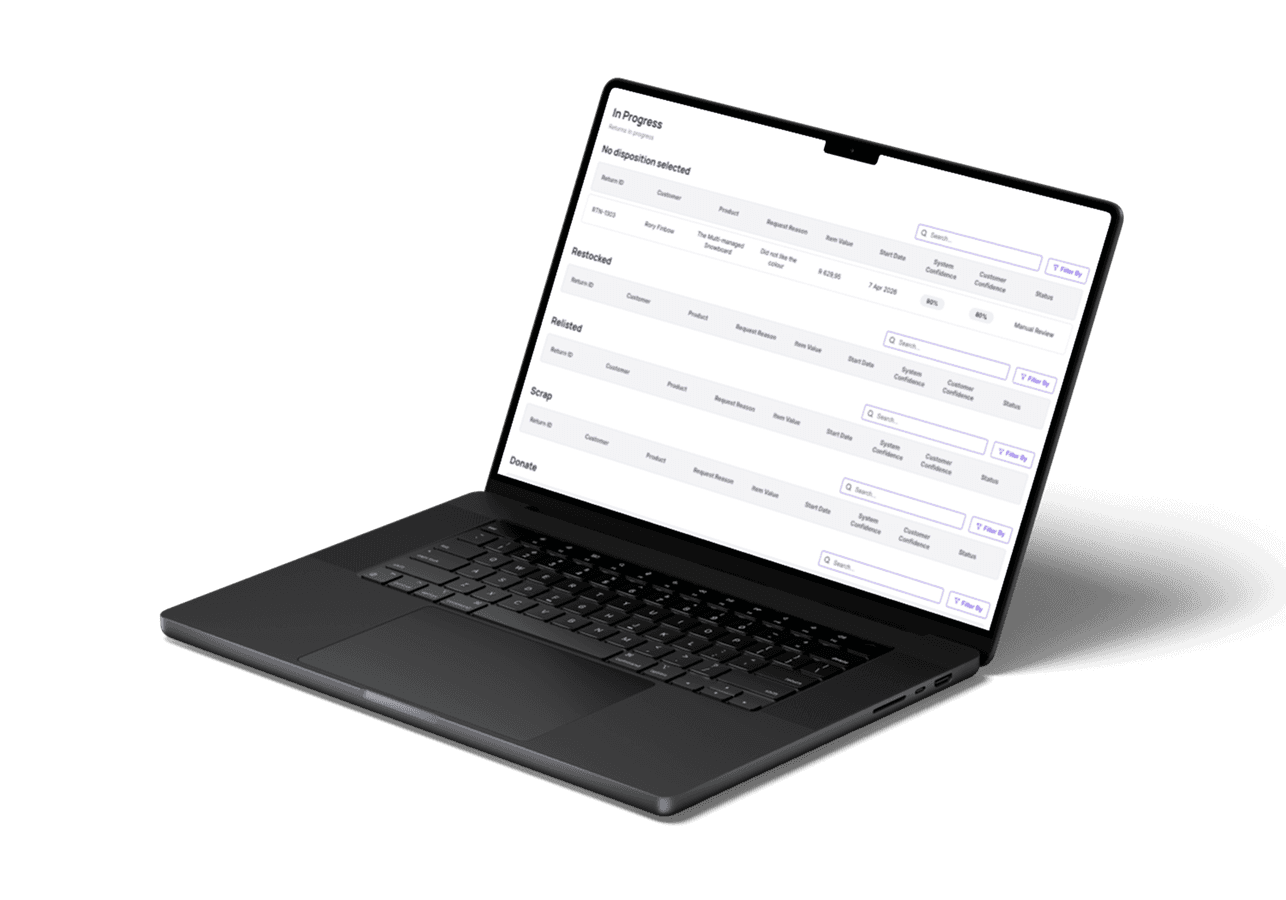
Returns and post-purchase
We build online stores from nothing and then run them. Not a template handed over at launch, but a storefront that gets designed, built, integrated with the systems behind it, and improved every month afterwards.
Most of our e-commerce clients stay with us after launch, which is the part of this work that actually determines whether the store makes money.
What we build
Greenfield store builds, designed and developed end to end. Migrations from platforms that have been outgrown. Custom functionality and apps where the platform stops short of what the business needs. Integrations to inventory, accounting, fulfilment and CRM, so the store is connected to the operation rather than sitting beside it. Payment and checkout configuration. Returns and post-purchase flows. And ongoing merchandising, optimisation and growth work under a monthly retainer once it is live.
The parts nobody budgets for
Building the storefront is the visible half. The half that decides the outcome is everything attached to it: stock and inventory sync, payment gateways that suit the markets you sell into, shipping and delivery logic, and returns.
Returns in particular. Invisible in a launch plan and enormous by month six. Handled badly it quietly consumes margin through manual approvals, duplicated refunds, and stock that never makes it back into sellable inventory. Returnit, our own returns engine, exists because we kept watching it happen.
Platform is a decision, not a default
We are not tied to one platform. Shopify covers a lot of what we build and our experience there runs deep, and we have delivered on other platforms where they were the better answer.
The choice gets made per project against catalogue size and complexity, how much custom logic sits behind checkout, what it has to integrate with, and what the team maintaining it can realistically run day to day. Picking the platform before anyone understands the operation is how retailers end up migrating eighteen months later.
Selling beyond your own market
If your customers are in another country, a handful of things are better decided before the build than after: which payment gateway actually works for the markets involved, how currency and pricing are handled, how cross-border tax and duty are treated, and how returns and support work across timezones. We have built for retailers selling into markets they are not based in, so these come up early rather than at launch.
When something else fits better
If you are not selling online and the site's job is to explain what you do and bring in enquiries, that is a website rather than a store.
If the storefront is fine and the real problem is that stock, pricing and fulfilment disagree with each other, start with business systems and integrations. Fixing the operation first makes the store worth building.

How this gets delivered
Phase 0
Your idea
Phase 1
Analysis and design
Phase 2
Development and hosting
Phase 3
Momentum and impact

Lets bring your
project to life.


Cirrus Bridge
We help visionaries turn their ideas into innovative, impactful software: mobile apps, web apps, e-commerce, and the systems a business runs on.