Cirrus Bridge

Mobile app development

Mobile App Development

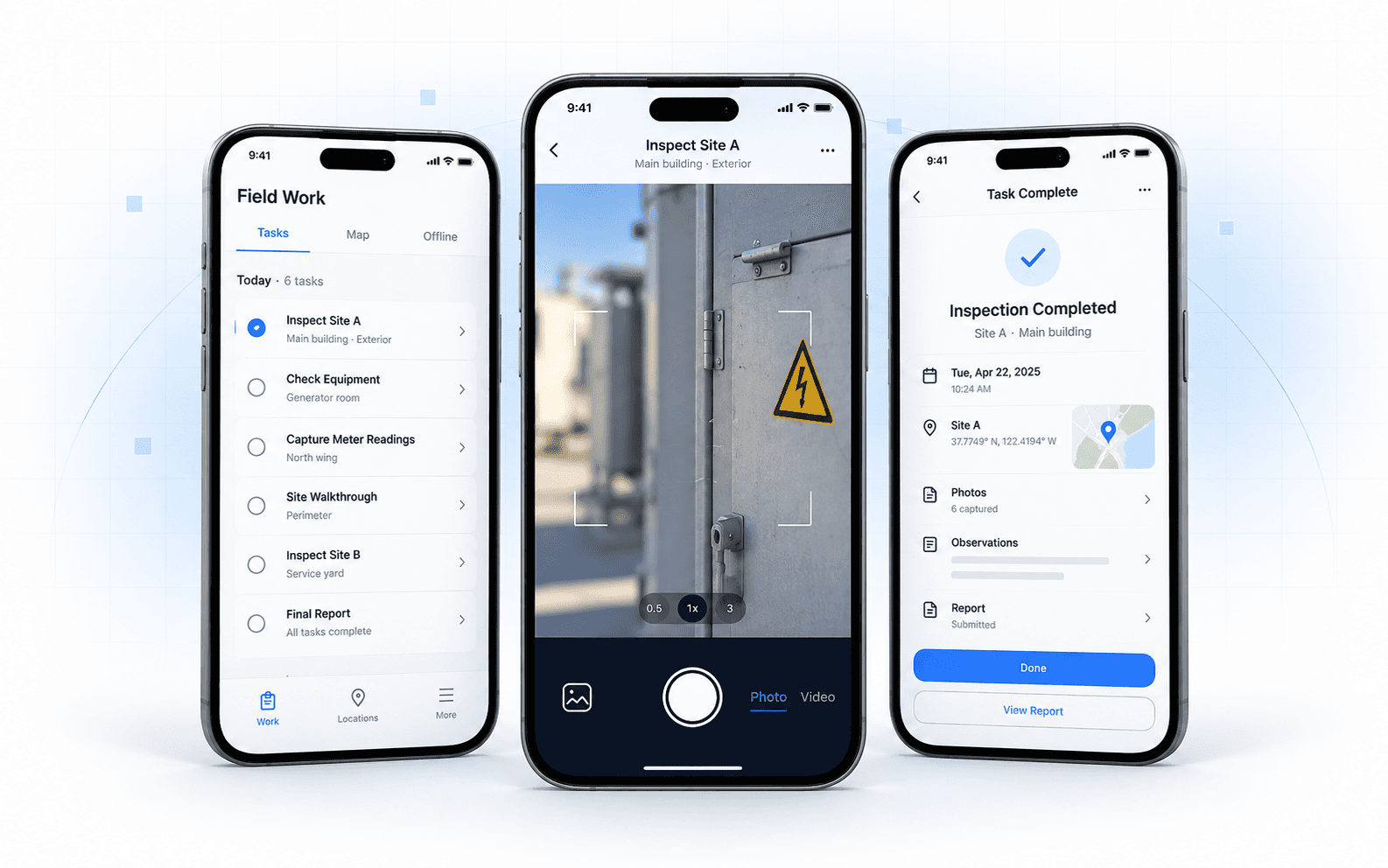
We build iOS and Android applications for consumer audiences and for workforces, from first concept through to the version running on thousands of phones two years later. Before any of that, we will tell you honestly whether a mobile app is the right answer. A good portion of the people who come to us asking for an app need a web application instead. Working that out in the first conversation takes an hour. Discovering it after launch means starting again on the other side.

We build iOS and Android applications for consumer audiences and for workforces, from first concept through to the version running on thousands of phones two years later. Before any of that, we will tell you honestly whether a mobile app is the right answer. A good portion of the people who come to us asking for an app need a web application instead. Working that out in the first conversation takes an hour. Discovering it after launch means starting again on the other side.

When is a mobile app the right choice?

A mobile app earns its place when the device itself matters. Camera, GPS, offline use, push notifications, biometrics, or anything that needs to work with no signal. It also earns it when you are building for consumers who expect to find you in an app store, and when the experience needs to feel native rather than merely acceptable.

When is it not?

If your users are staff, if they work at desks, if the value is in dashboards and reporting, or if you need to change the product weekly, a web application will serve them better. We build mobile cross-platform, one codebase reaching both iOS and Android, so the question is never about build effort. It is about distribution. Someone has to install a mobile app and keep it updated, and every change waits on app store review before a single user sees it. That is a real constraint on how fast a product can improve, and it is only worth accepting when the phone itself is giving you something back. We wrote a page on that difference.

Web app development

Web App Development

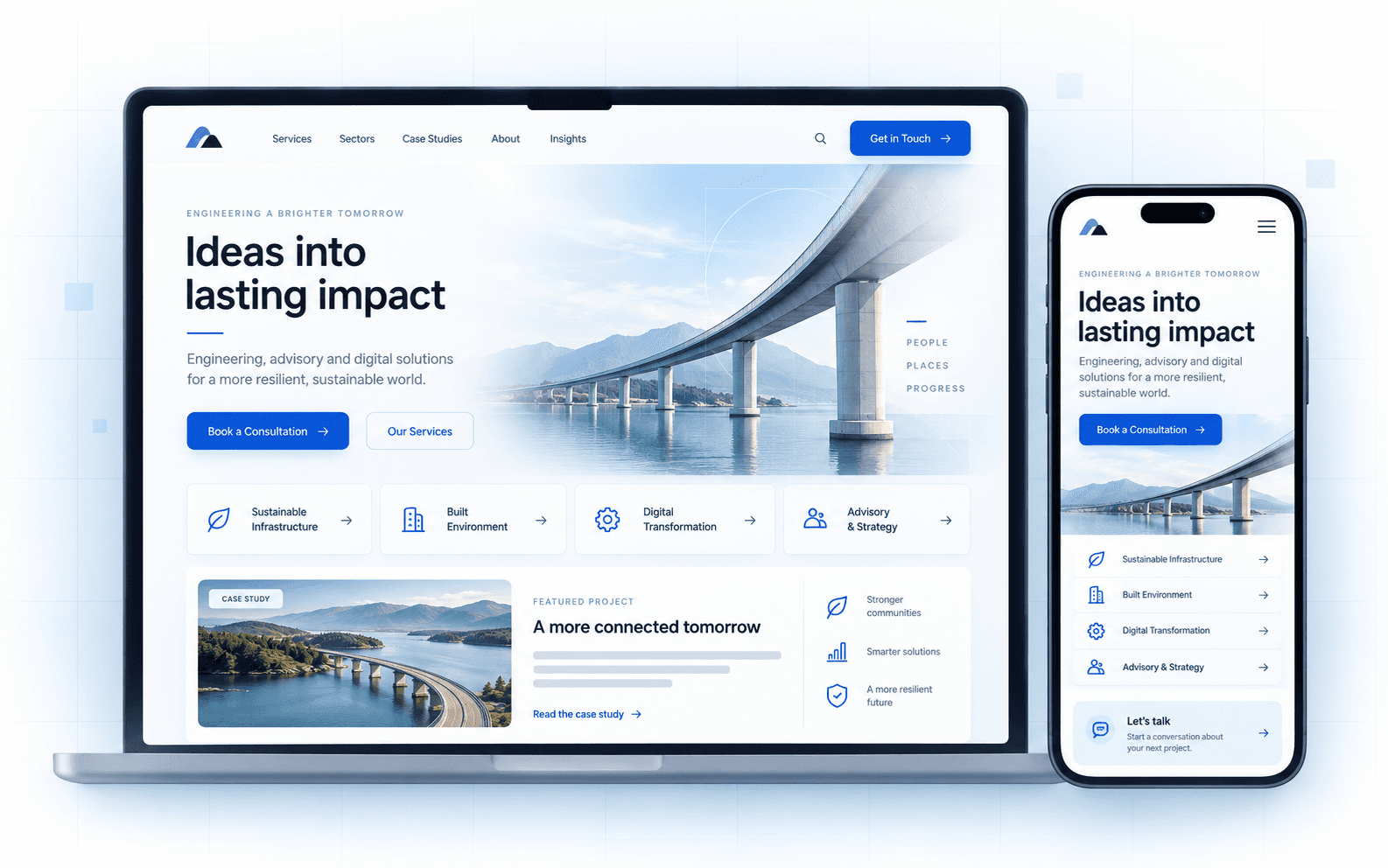
A web application is software that runs in a browser and behaves like a product rather than a website. Dashboards, portals, internal platforms, marketplaces, anything where people log in and do work. For most businesses this is the right first build, and it is frequently not what they came in asking for.

A web application is software that runs in a browser and behaves like a product rather than a website. Dashboards, portals, internal platforms, marketplaces, anything where people log in and do work. For most businesses this is the right first build, and it is frequently not what they came in asking for.

Web app or mobile app?

The short version. A web app runs in any browser, reaches anyone you can send a link to, and updates the moment you deploy it. A mobile app has to be installed, and every change goes through app store review before it reaches a user, in exchange for the phone's hardware and a place on the home screen. Note what is not on that list. Build effort. We build mobile cross-platform, so it is one codebase either way. The real difference is distribution and how quickly you can change things, not how many times something gets built. If your users are employees, partners, or customers doing considered work rather than quick taps, the web app wins on almost every measure that matters. If you need the camera, the location, offline use or push notifications, the mobile app earns its keep. A lot of products end up as both, in that order. Web first, because it is faster to learn from, then mobile once you know what people actually do.

What we build

Operational dashboards and reporting platforms. Customer and partner portals. Internal tools that replace spreadsheets. Marketplaces and multi-sided platforms. Public-facing platforms with serious functionality behind them. All with the integrations, data model and infrastructure underneath.

E-commerce development

E-commerce Development

We build online stores from nothing and then run them. Not a template handed over at launch, but a storefront that gets designed, built, integrated with the systems behind it, and improved every month afterwards. Most of our e-commerce clients stay with us after launch, which is the part of this work that actually determines whether the store makes money.

We build online stores from nothing and then run them. Not a template handed over at launch, but a storefront that gets designed, built, integrated with the systems behind it, and improved every month afterwards. Most of our e-commerce clients stay with us after launch, which is the part of this work that actually determines whether the store makes money.

What we build

Greenfield store builds, designed and developed end to end. Migrations from platforms that have been outgrown. Custom functionality and apps where the platform stops short of what the business needs. Integrations to inventory, accounting, fulfilment and CRM, so the store is connected to the operation rather than sitting beside it. Payment and checkout configuration. Returns and post-purchase flows. And ongoing merchandising, optimisation and growth work under a monthly retainer once it is live.

Selling beyond your own market

If your customers are in another country, a handful of things are better decided before the build than after: which payment gateway actually works for the markets involved, how currency and pricing are handled, how cross-border tax and duty are treated, and how returns and support work across timezones. We have built for retailers selling into markets they are not based in, so these come up early rather than at launch.

Custom business systems & integrations

Custom Business Systems & Integrations

Most established businesses do not need a new product. They need the systems they already have to stop being three separate places where the same information lives in three slightly different versions. That is the work. Not a greenfield app, but a custom system that sits across what is already running and makes the operation legible to the people running it.

Most established businesses do not need a new product. They need the systems they already have to stop being three separate places where the same information lives in three slightly different versions. That is the work. Not a greenfield app, but a custom system that sits across what is already running and makes the operation legible to the people running it.

What does this usually look like?

Someone in operations opens three tabs to answer one question. A month-end report takes four days because the numbers are assembled by hand. A field team captures data on paper that gets typed in twice. A finance system and a customer system that disagree, with a person in the middle reconciling them. None of it is broken exactly. It works, roughly, and it costs hours every week that nobody has put a number on.

What we build

Custom operational platforms. Integration layers between existing systems. Legacy modernisation, including replacing systems nobody can maintain any more. Workflow automation. Field and mobile data capture feeding central reporting. Performance and people management platforms.

AI-enabled software

AI-enabled Software

We build AI into products people use. Not demonstrations, and not a model sitting behind an API that nobody has worked out what to do with. Cirrus Bridge won a 2025 TechBehemoths AI award for this work. The engineering is the part that gets recognised. The part that makes it useful is the thinking that happens first.

We build AI into products people use. Not demonstrations, and not a model sitting behind an API that nobody has worked out what to do with. Cirrus Bridge won a 2025 TechBehemoths AI award for this work. The engineering is the part that gets recognised. The part that makes it useful is the thinking that happens first.

Why AI projects stall?

The common failure is not accuracy. It is that the system produces output and nobody can say what a person should do differently after reading it. Without a decision attached to it, the output goes unread and the system gets quietly switched off within a quarter. Preventing that is a design problem, not a modelling one. What decision is this informing. Who makes it. What would change their mind. What does the result need to look like for someone to use it in the ten minutes they have.

What we build

AI features inside existing products. Sentiment and signal analysis on unstructured data. Document and workflow automation. Intelligent data extraction and classification. Decision support tooling for operations and management. Integration of commercial models into systems that already exist, where that is the sensible route.

Code audits and technical due diligence

Code Audits & Technical Due Diligence

If you are carrying software that nobody currently employed can fully explain, you are carrying a risk that has never been priced. A code audit prices it.

If you are carrying software that nobody currently employed can fully explain, you are carrying a risk that has never been priced. A code audit prices it.

When do people ask for one?

The original developer moved on. An agency relationship ended and the handover was thin. An acquisition arrived with a system attached. A founder built the first version and it quietly became production. Or a rebuild has been proposed and the person proposing it is also the person who would be paid to do it.

What do we look at?
Security exposure, including how credentials, data and access are handled. Maintainability, meaning whether a competent engineer who did not write this could work in it. Architecture and whether it will hold at the volume you are planning for. Dependencies, licences and anything unsupported. Test coverage, deployment and what happens when something breaks at two in the morning.

What do you get?

A written report in plain language, with the technical detail in an appendix rather than in the way. Findings ranked by severity and by cost to fix. And the answer most clients are really buying: an honest comparison of extending what exists against replacing it, with numbers on both. That answer surprises people in both directions. Systems assumed to be disposable are sometimes structurally sound and worth investing in. Systems still having features added should sometimes have been retired eighteen months ago, and every addition since has made the eventual migration more expensive.

An independent second opinion

Most of this work is for companies that already have a development partner and are not looking to replace them. The situation is usually the same. You have a team building or maintaining your software. They tell you it is in good shape, or that it needs rewriting, or that the next phase will take six months and cost what it costs. Any of that may be entirely true. You have no way to check, because the only people who can read the system are the people who wrote it, and that is an uncomfortable position to make a large decision from. An audit gives you a third party with no stake in the answer. We read the system and tell you what is actually in it, in language you can take into a board meeting or a budget conversation without needing an engineer to translate. That includes telling you when the right answer is to keep what you have, change nothing, and carry on with your current team. It happens often, and it is a perfectly good outcome. An audit that always concludes "rebuild it, with us" is not an audit. It is a sales call with a report attached.

Lets bring your

project to life.

Cirrus Bridge

Helping visionaries turn their app ideas into impactful apps.

Contact Us

+27 72 325 9580

+31 68 443 5909

sales@cirrusbridge.com

©2026 Cirrus Bridge

Lets bring your

project to life.

Cirrus Bridge

Helping visionaries turn their app ideas into impactful apps.

Contact Us

+27 72 325 9580

+31 68 443 5909

sales@cirrusbridge.com

©2026 Cirrus Bridge

Lets bring your project to life.

Cirrus Bridge

Helping visionaries turn their app ideas into impactful apps.

Contact Us

+27 72 325 9580

+31 68 443 5909

sales@cirrusbridge.com

©2026 Cirrus Bridge